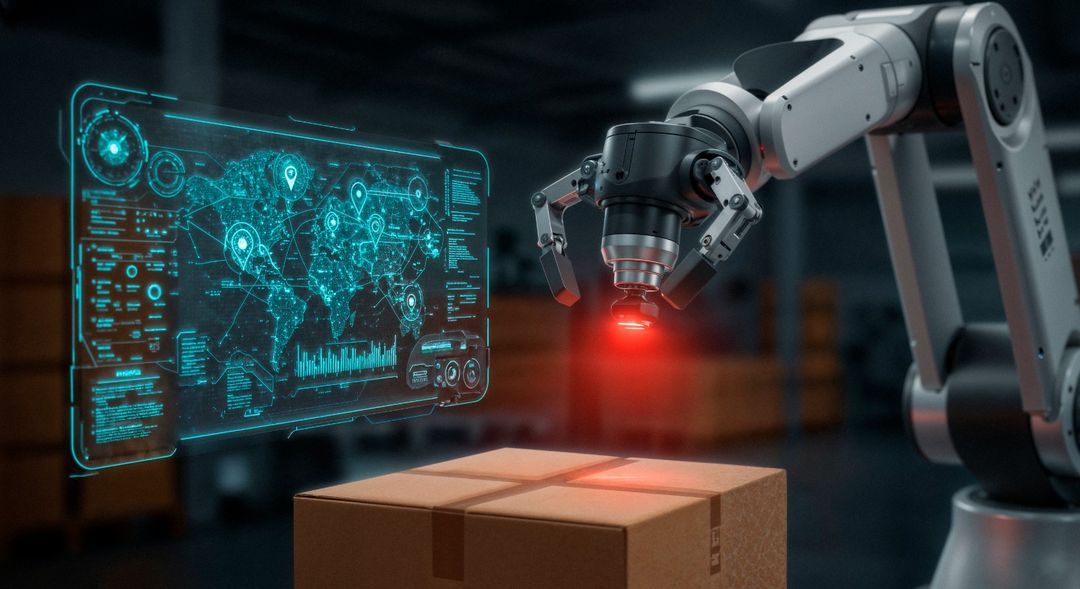

Behind these integrated platforms are several core AI technologies that technology companies have refined specifically for logistics applications:
Machine learning algorithms form the foundation of predictive capabilities in modern logistics systems. These algorithms analyze vast datasets to identify patterns and make increasingly accurate predictions about future events.
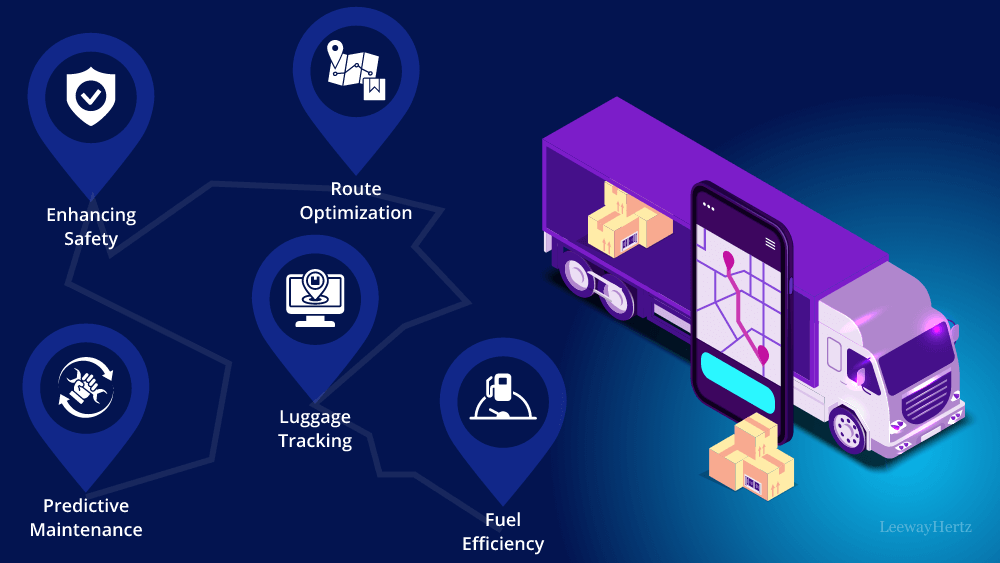
Technology companies like Bridges Tech Services develop specialized machine learningmodels that can predict equipment failures before they occur, forecast demandfluctuations, and optimize inventory levels. These solutions provide real-time, intelligentsupply chain visibility that can respond to changes in demand as they happen.
Computer vision technology has revolutionized quality control and sorting processes inlogistics operations. AI-powered cameras can inspect packages, identify damages, verifylabels, and ensure proper handling instructions are followed.
Specialized computer vision systems for logistics applications can process thousands ofitems per hour with greater accuracy than human inspectors, significantly improvingquality control while reducing labor costs.
Natural language processing (NLP) has transformed how logistics stakeholderscommunicate with systems and each other. Modern logistics platforms incorporate NLP toenable intuitive interactions through voice commands, chatbots, and automateddocumentation processing.
These interfaces allow users to use natural language queries to get answers about supplychain status and issues, making complex systems more accessible to all users regardless oftechnical expertise.
Reinforcement learning algorithms enable logistics systems to continuously improvethrough trial and error. These systems learn optimal strategies for routing, resourceallocation, and scheduling by evaluating the outcomes of different decisions.
Technology providers like Bridges Tech Services have pioneered the application ofreinforcement learning in logistics, developing systems that can adapt to changingconditions and continuously optimize operations.

Mastering cloud platform development with secure cloud architecture, scalable design, and DevOps best practices—building the future, one resilient system at a time

Lorem ipsum dolor sit amet, consectetur adipiscing elitDuis consequat mauris. Vivamus sed velit id metus vehicula lobort imperdiet sollicitudin imperdieMaecenas purus lorem, sagittis

Lorem ipsum dolor sit amet, consectetur adipiscing elitDuis consequat mauris. Vivamus sed velit id metus vehicula lobort imperdiet sollicitudin imperdieMaecenas purus lorem, sagittis

Cloud-native architecture enables unprecedented scalability, reliability, and operational efficiency.
Cloud-native architecture represents more than just deploying applications to cloud infrastructure—it's a fundamental approach to designing systems that take full advantage of cloud capabilities while addressing the unique challenges of distributed computing environments.







.svg)